What to look into before paying for a dhow cruise in Dubai
Dubai's coastline sparkles with traditional wooden dhows that have been reimagined as floating dinner venues, sightseeing platforms and party boats. A dhow cruise can be one of the most memorable ways to see the city's lights from the water, but the price you see online does not always tell the full story. Before you hand over your card details, it pays to check a few things that separate a smooth evening from one that leaves you disappointed.
What the advertised fare actually covers
The headline price for a dhow cruise in Dubai can look very reasonable until you start reading the small print. Many listings quote a basic rate that includes just the cruise itself, with everything else added as an optional extra. Some packages bundle a buffet dinner and soft drinks, while others charge separately for each course. You should confirm whether the price includes international buffet, unlimited water and tea, or if those are billed per person on board. A cheap fare that leaves you paying per glass of water can end up costing more than a mid-range all-inclusive ticket.
Another detail often hidden in the terms is the boarding point. Some dhows depart from Dubai Marina, others from Dubai Creek, and the distance between them is significant. If you are staying near the Marina, a Creek departure might mean a long taxi ride that adds to your evening's cost. Check the exact boarding location and factor in transport before you compare prices between operators.
Duration and itinerary details
A standard dhow cruise usually runs between two and three hours. Within that time, the boat follows a set route that passes key landmarks such as the Dubai Marina skyline, the Palm Jumeirah or the historic district near the Creek. The advertised price often assumes a specific route, but some operators offer shorter loops that skip the most impressive stretches. Ask for the approximate sailing route and the time spent cruising versus time spent docked while passengers board. A cruise that spends 40 minutes at the pier waiting for latecomers is not a two-hour cruise in the true sense.
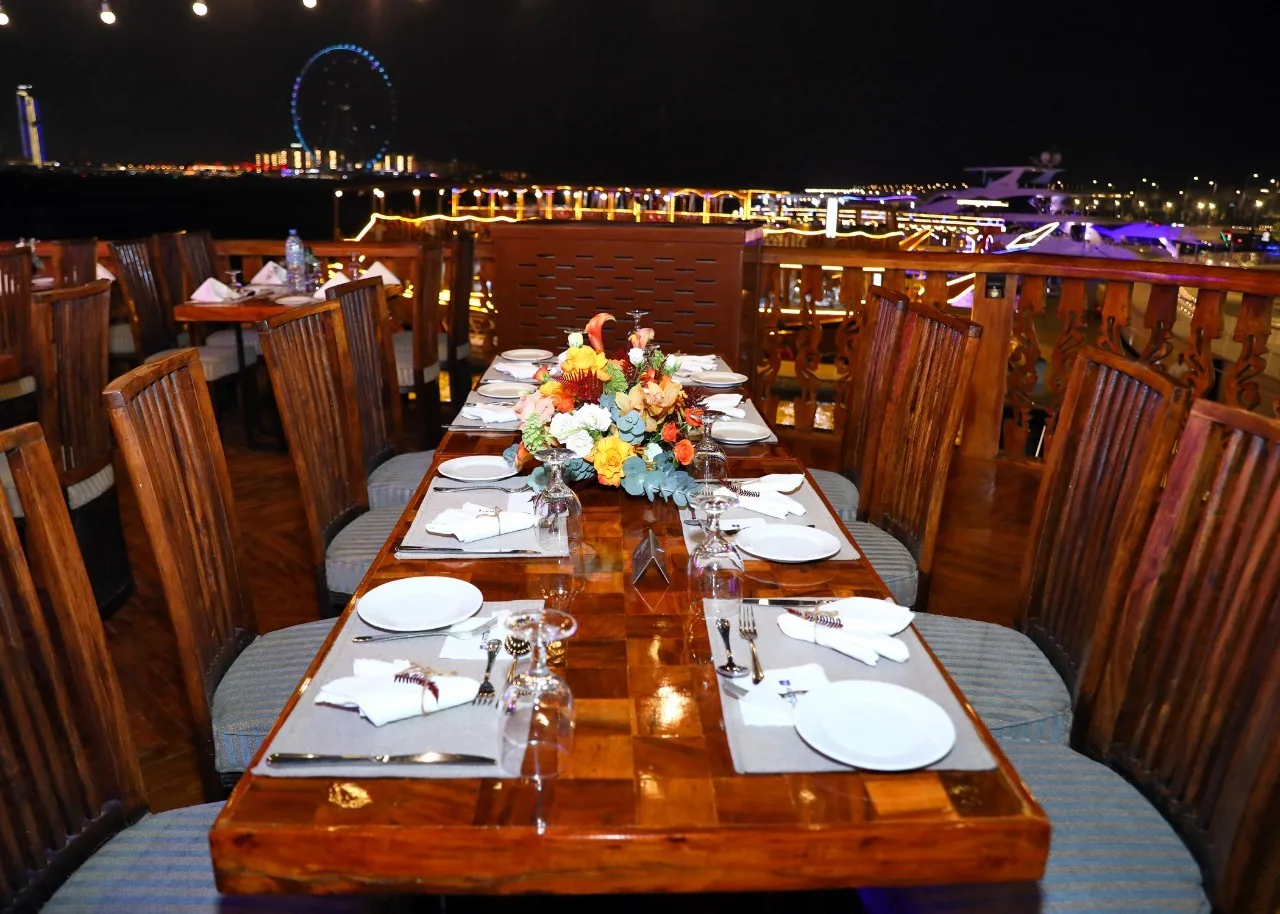
Also worth checking is whether the cruise is a shared public trip or a private charter. Private charters are priced per boat, not per person, and the cost can vary wildly depending on the vessel's size, catering and entertainment. If you see a very low per-person price, it is almost certainly a shared table arrangement where you will dine alongside strangers. That can still be enjoyable, but it is good to know in advance so you set the right expectations.
Meal quality and dietary needs
Buffet dinners on dhows range from simple rice-and-curry affairs to multi-cuisine spreads with live cooking stations. The price often reflects the quality of the ingredients and the variety on offer. If you have specific dietary requirements, such as vegetarian, vegan, halal or gluten-free, confirm with the operator that they can accommodate you. Some dhows will prepare a separate dish if you notify them a day before, while others stick to a fixed menu and cannot make substitutions. It is better to ask directly than to arrive hungry and find nothing suitable on the buffet.
The timing of the meal also matters. Some cruises serve dinner immediately after departure, which means you eat while the sun sets and the skyline lights up. Others delay the meal until the boat is well into the route, leaving you with an empty stomach during the first 30 minutes. If the timing matters to you, check the cruise schedule and the meal service window before booking.
Entertainment and onboard atmosphere
Most dhow cruises include some form of entertainment: a Tanoura dancer, a live musician, or a DJ playing background music. The price you pay partly covers the cost of that entertainment. A cheaper ticket might mean no live show at all, or a recorded soundtrack instead of a performer. If you are looking for a quiet, romantic evening, a cruise without loud entertainment could be a better fit. If you want a lively atmosphere with dancing and audience participation, you will need a cruise that advertises that explicitly. Read recent reviews to get a sense of the actual onboard vibe rather than relying on the operator's promotional photos.
Some dhows have open upper decks where you can sit under the stars, while others are fully enclosed with air conditioning. The price difference between an open-deck and an enclosed cabin can be modest, but the experience is completely different, especially during the hotter months. In summer, an open deck can be uncomfortably warm until well after sunset, while in winter the breeze off the water can be chilly. Check the season and the deck configuration before you decide.
Cancellation and refund policies
Plans change, and weather in Dubai can be unpredictable during certain months. A strong wind or a dust storm can cause cruise cancellations. Before you pay, read the operator's cancellation policy. Some offer full refunds if they cancel the trip, but others only give a credit toward a future booking. If you cancel on your side, the refund window might be as short as 24 hours before departure. For expensive bookings, consider whether you want to pay extra for a flexible ticket that allows changes without penalty. The cheapest fares often have the strictest terms, so the lowest price may come with the highest risk of losing your money if something comes up.
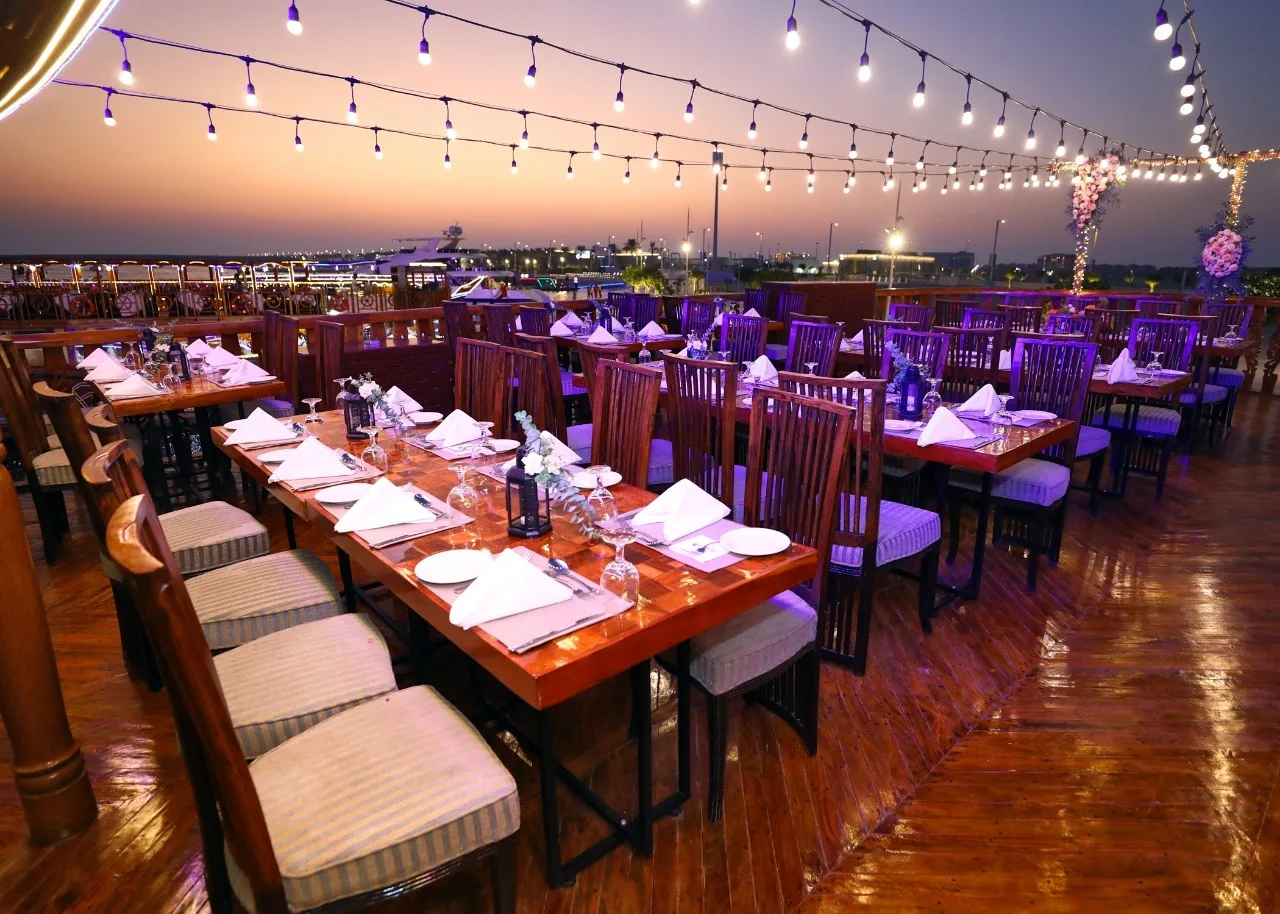
The Cruise Dhow Dubai official site publishes its cancellation terms clearly, so you can review them before confirming a booking. Taking a few minutes to read those terms can save you from frustration later. Always check that the operator you choose has a transparent policy rather than vague wording that leaves room for interpretation.
What past guests say about the experience
Reviews are a useful reality check, but they need to be read with care. A single bad review might reflect a one-off problem, while a pattern of complaints about the same issue, such as cold food, cramped seating or poor service, is a genuine warning. Look for reviews that mention the specific dhow you are considering, not just the company name, because different vessels from the same operator can offer different standards. Pay attention to comments about the boarding process, the punctuality of the departure, and the friendliness of the crew. Those details often predict how your own evening will go.
Also check whether the reviews mention the price they paid. Someone who booked a discounted last-minute ticket may have received a different level of service than a full-price guest. If many reviews say the cruise was great value for the price, that is a strong signal that the operator delivers what it promises.
Additional charges and hidden fees
Some dhow cruises add a service charge or a tourism fee that is not included in the advertised price. These charges may appear only at the checkout stage or be added to your bill on board. Ask upfront whether the price is inclusive of all taxes and service fees. If you are booking through a third-party platform, compare the total you see on that site with the price on the operator's own site. The Cruise Dhow Dubai official site often lists the full price with no surprises, so it is worth cross-checking before you commit.
Photography packages are another common add-on. Some dhows have a professional photographer who takes pictures of guests during the cruise, then offers to sell prints or digital files at the end. If you want photos without the upsell, bring your own camera or phone. If you prefer a professional shot, check the price of the photo package before you board so you are not caught off guard.
Booking channel and payment security
Where you book matters. Booking directly through a reputable operator gives you more control over your reservation and usually better customer support if something goes wrong. Third-party travel sites may offer lower prices, but they also add a layer of distance between you and the crew who will actually run the cruise. If you need to change your booking or ask a question on the day, a direct booking is easier to manage.
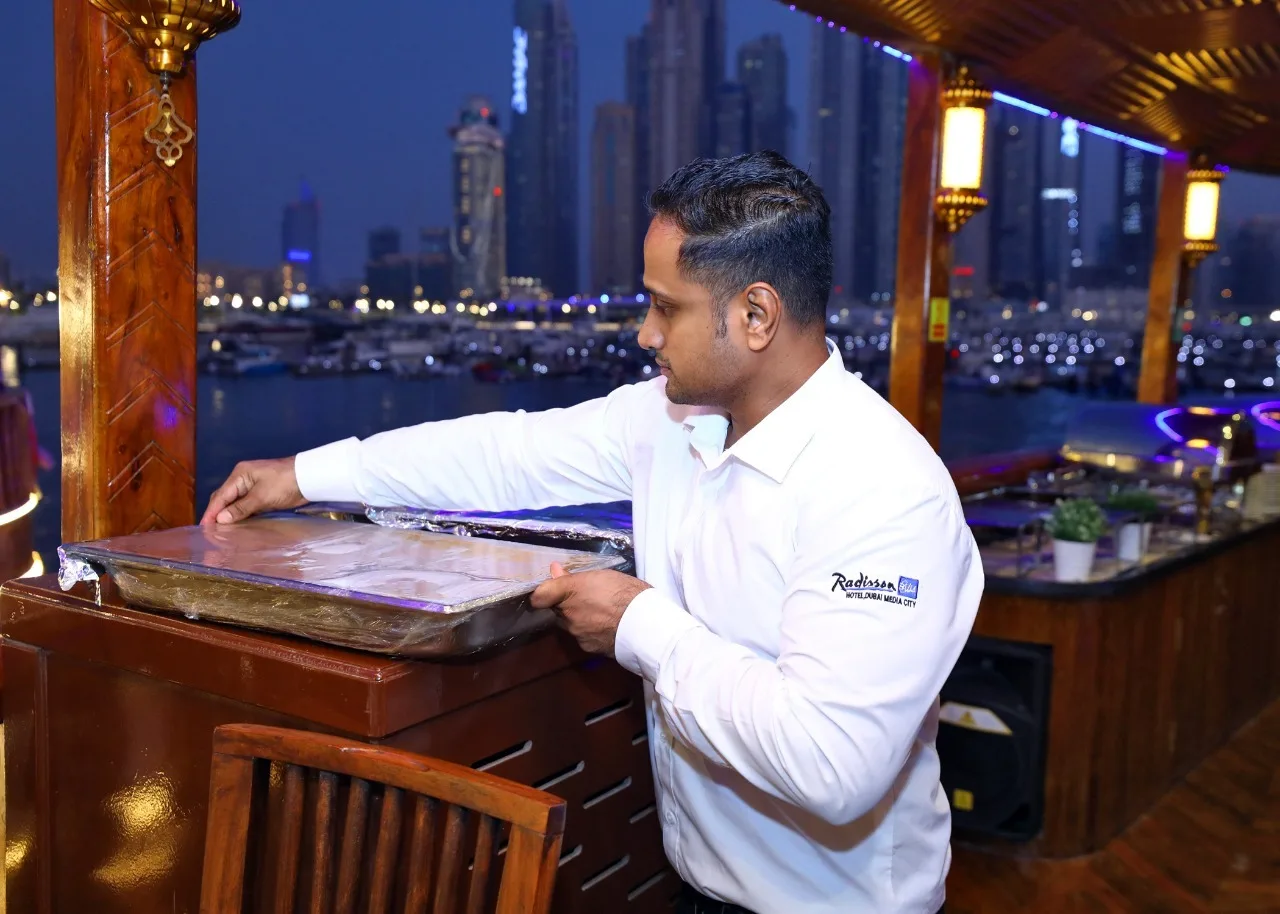
Payment security is another consideration. Look for a secure checkout page with an "https" address and a padlock icon in the browser bar. Avoid operators who ask for bank transfers or cash payments in advance unless you have a clear written confirmation and a cancellation policy. Credit card payments offer some protection if the cruise is cancelled or misrepresented. Debit cards and cash do not offer the same level of recourse.
Finally, trust your instincts. If a price seems too good to be true, it probably is. A dhow cruise is a carefully orchestrated operation that involves fuel, crew, food, entertainment and dock fees. A very cheap ticket means something has been cut. By checking these points before you pay, you can choose a cruise that matches your expectations and your budget, and enjoy the evening without second-guessing your decision.